
The origins of gambling unraveling the history behind our greatest wagers
The origins of gambling unraveling the history behind our greatest wagers
Ancient Beginnings of Gambling
The origins of gambling can be traced back to ancient civilizations where games of chance were often linked to religious beliefs and societal structure. For instance, archaeologists have discovered evidence of dice made from animal bones dating back to around 3000 BCE in Mesopotamia. These early games were not merely for entertainment; they were sometimes used for divination and decision-making, illustrating the deep-rooted psychological connection between chance and belief in higher powers. Today, platforms like jeetcitylife.com continue this tradition, offering a modern twist on these ancient practices.
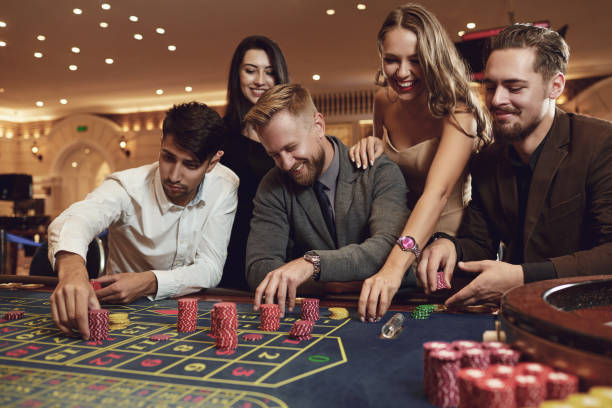
The Egyptians also engaged in gambling, as evidenced by their use of betting on board games, which were popular during the time. Many ancient texts reference the practice of betting on the outcomes of various events, be it games or battles, showing that the thrill of risking something of value has been an integral part of human history. The psychological allure of gambling likely stems from the mix of uncertainty and the potential for reward, a theme that continues to resonate in modern gambling.
Moreover, as societies evolved, so did the complexity of gambling. The emergence of organized gambling activities, such as public lotteries in ancient Rome, reflects a shift toward more structured forms of wagering. These early lotteries served various purposes, including funding public projects, further intertwining the concept of gambling with the collective needs of society. This development showcased how gambling could unite communities while simultaneously inviting individuals to engage in risk-taking behavior.
The Middle Ages and the Birth of Modern Gambling
During the Middle Ages, gambling underwent significant transformations, particularly in Europe, as it became more regulated. The Catholic Church initially opposed gambling, viewing it as a vice; however, this did not prevent the proliferation of gambling activities. In fact, this period saw the creation of card games, which introduced elements of skill that would change the nature of gambling forever. The introduction of playing cards in the 14th century from Asia to Europe marked a pivotal point in gambling history.
Card games quickly gained popularity, paving the way for the establishment of casinos in Italy. These establishments offered a controlled environment for gambling, where individuals could indulge in their desires while adhering to specific rules. The psychological aspects of gambling became more pronounced, as players not only wagered money but also their social status and reputation, amplifying the stakes involved in their wagers.
Additionally, the legal framework surrounding gambling began to solidify during this era. Various laws were enacted to regulate gambling, aiming to protect both the players and the establishments. This regulatory environment influenced public perception and contributed to the idea that gambling was not merely a pastime but a serious activity that required consideration and responsibility. The psychological ramifications of gambling began to be understood, leading to the emergence of both positive and negative connotations associated with the practice.
The Influence of the Renaissance and Beyond
The Renaissance marked a period of enlightenment where the arts and sciences flourished, and gambling was no exception. This era saw the development of new games and betting systems, fueled by the increased interest in mathematics and probability. Figures like Galileo and later mathematicians began to explore the statistical implications of games, contributing to a greater understanding of risk. This shift in perspective further illuminated the psychology of gambling, as players became more aware of strategies and odds.
As gambling grew in popularity, it also became more accessible. Public houses and taverns began to host games, allowing a broader spectrum of society to participate in wagering. This inclusivity transformed gambling into a cultural phenomenon, connecting individuals from diverse backgrounds. The excitement and thrill of gambling became deeply embedded in social interactions, further enhancing the psychological appeal as it provided a temporary escape from daily life.
By the 19th century, the industrial revolution had revolutionized society, influencing gambling in numerous ways. The rise of urbanization created a demand for entertainment, leading to the establishment of casinos and racetracks. The psychology behind gambling was now increasingly intertwined with consumerism, as individuals sought pleasure and excitement in their leisure activities. The transformation of gambling into a mainstream activity underscored its significance in society, making it a crucial part of modern culture.
The Emergence of Online Gambling
The advent of the internet in the late 20th century brought about a seismic shift in the gambling landscape. Online casinos and platforms emerged, allowing users to wager from the comfort of their homes. This technological evolution not only expanded access to gambling but also altered the psychological dynamics involved. The anonymity of online gambling allowed individuals to engage in risk-taking behaviors without the social repercussions associated with traditional venues.
Moreover, online gambling introduced new forms of gameplay, including live dealer games and interactive betting options. These innovations have made the experience more immersive, catering to the psychological desire for entertainment and thrill. The convenience of playing at any time has also led to concerns about addiction and responsible gambling, prompting discussions about the psychological impact of gambling in a digital age.
As the industry continues to evolve, various studies have explored the psychological factors that drive individuals to gamble online. Issues such as impulse control, social isolation, and the thrill of risk are being examined to create safer gambling environments. These insights are crucial for understanding not only the motivations behind gambling but also how to foster a responsible approach that respects the psychological complexities involved.
Jeetcity Casino and the Modern Gaming Experience
Jeetcity Casino stands at the forefront of modern gambling, offering a rich array of gaming options for enthusiasts. With over 10,000 games, including classic slots and table games, Jeetcity caters to the diverse preferences of today’s players. The platform’s commitment to player satisfaction is evident through rapid payouts and generous bonuses, ensuring a seamless experience in a digital world.
As an online gaming platform, Jeetcity also emphasizes security and fair play, fostering a community where players can enjoy their favorite games without concern. The psychological aspects of gaming are taken into consideration, with features designed to promote responsible gambling and player well-being. By providing a safe and engaging environment, Jeetcity Casino appeals to both new and seasoned gamblers alike.
Ultimately, Jeetcity Casino embodies the evolution of gambling through technology, merging traditional elements with modern innovations. As players engage in their greatest wagers, they become part of a rich history that continues to unravel, reflecting the timeless allure of chance and the intricate psychology behind every bet placed.